Scripture: Matthew 7:15–20; 2 Corinthians 10:12; Galatians 5:22–23
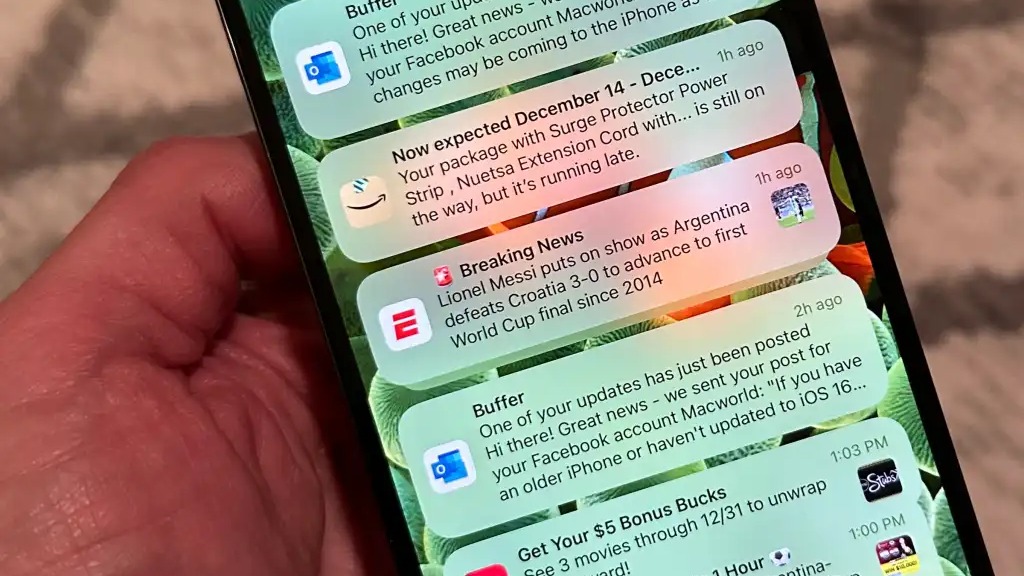
Imagine someone borrowed your phone for a week, not to make calls or send messages, but simply to study your behavior. They could examine the videos you watch, the accounts you follow, what makes you laugh, what makes you angry, and what you're most likely to click late at night.
They might learn about your favorite music, sports teams, hobbies, and interests. But they might also discover your insecurities, ambitions, fears, and temptations. And after seven days, imagine this person sitting across from you and saying, "I think I know what matters most to you."
Would you be surprised by their conclusions? Or perhaps a little embarrassed?
Here's what makes this illustration interesting: sophisticated technological systems are already analyzing many of these behaviors. We call them algorithms, and they're remarkably effective at identifying what captures our attention.
But what happens when the things designed to capture our attention begin shaping our character?
A New Competition for Our Attention
Every summer, when I speak at Christ in Youth events, I'm reminded that today's students are growing up in a world dramatically different from the one I knew. When I was a teenager, our influences came primarily through family, friends, school, church, television, and music. Today, students carry an extraordinary amount of entertainment, information, and social interaction in their pockets.
Artificial intelligence has added another dimension to this environment. It can help students study, generate ideas, create content, and explore questions. Technology offers extraordinary opportunities, and I don't believe Christians should automatically reject technological innovation simply because it's new.
But we do need discernment.
Technology isn't merely something we use. The way we use it can influence our habits, expectations, and relationships. Social media platforms are designed to encourage engagement, and that often means showing us content that provokes strong reactions or holds our attention.
The question isn't simply whether technology is useful. It's whether we're allowing the habits surrounding technology to shape us in ways that reflect the character of Jesus.
Discipleship Is About Formation
When Jesus called His disciples, He didn't merely invite them to attend lectures or memorize information. He invited them to follow Him, observe His life, learn His priorities, and become people who reflected His character.
Christian discipleship involves learning, but it also involves formation. Our habits, relationships, and repeated behaviors gradually influence the kind of people we become.
That's why our digital lives deserve thoughtful attention. The voices we regularly listen to can influence how we understand the world. The stories we consume can shape our assumptions about what's normal or desirable. And the communities we participate in can affect how we treat people who disagree with us.
Not every online influence is harmful, of course. Some content can make us wiser, better informed, or more compassionate. Other content can simply provide appropriate entertainment and relaxation.
But we need the wisdom to recognize the difference.
1. Pay Attention to the Fruit
In Matthew 7:15–20, Jesus warns His followers about false prophets and teaches them to recognize people by their fruit. In its original context, the passage addresses discernment concerning spiritual teachers. But the illustration gives us a useful principle for evaluating other influences: pay attention to what they produce.
Consider how you feel and behave after spending time with certain forms of content. Are you becoming more grateful or more envious? More compassionate or more judgmental? More thoughtful or more impulsive?
These questions aren't always easy to answer. An article that challenges your assumptions may make you uncomfortable while helping you grow. A funny video might simply bring a welcome moment of enjoyment. We shouldn't assume that everything valuable must feel pleasant or carry an explicitly religious message.
Nevertheless, patterns matter. If a particular source consistently cultivates bitterness, contempt, lust, fear, or envy, it's worth questioning the influence we're giving it.
Rather than evaluating our digital habits only by whether something is entertaining, we should consider the kind of fruit those habits are producing in our lives.
2. Stop Letting Comparison Define Your Success
In 2 Corinthians 10:12, Paul challenges the practice of measuring ourselves against other people. His warning remains remarkably relevant because social media gives us countless opportunities to compare our ordinary lives with carefully selected moments from everyone else's.
Someone is taking a better vacation, living in a more impressive house, building a more successful career, or enjoying what appears to be a perfect relationship. Even ministry leaders can fall into the trap of comparing attendance numbers, influence, platforms, and accomplishments.
I know something about navigating different cultural expectations. Having grown up in Venezuela and later built a life in the United States, I've learned that communities can have dramatically different assumptions about what a successful life looks like.
Culture influences what we admire, the goals we pursue, and the standards by which we evaluate ourselves. Some of those influences can be healthy. Others deserve serious examination through Scripture.
Followers of Jesus aren't called to reject everything around them, but we are called to exercise discernment. Our significance isn't determined by the number of people who recognize us, follow us, or applaud our accomplishments.
Jesus calls us to faithfulness, not endless comparison.
3. Develop Intentional Spiritual Rhythms
One practice I've come to appreciate through ministry and leadership is developing a rule of life. The phrase may sound restrictive, but the concept is simple: a rule of life is a set of intentional rhythms that help us organize our days around what matters most.
Think of a trellis in a garden. The trellis doesn't create life or cause the plant to grow, but it provides structure that supports healthy growth.
Spiritual disciplines work in a similar way. Reading Scripture, praying, worshiping, practicing Sabbath rest, and participating in Christian community don't earn God's love. They're practices through which we make room to respond to His grace.
For someone who consistently reaches for their phone first thing in the morning, an intentional rhythm might involve reading Scripture before checking social media. For another person, it might mean protecting family meals from digital distractions or establishing regular time for prayer and Christian friendships.
These practices aren't complicated, but they require intentionality. Without healthy rhythms, even our strongest priorities can become little more than good intentions.
4. Make Your Values Visible
One principle I've emphasized throughout my leadership work is that our values should become visible through our behavior. It's one thing to say we value generosity, but another to practice it consistently. It's one thing to celebrate cultural diversity, but another to develop relationships and serve people whose backgrounds differ from our own.
Three values that are particularly meaningful in my life are hope, creativity, and the beautiful diversity of God's people. I don't want those to remain attractive words on a website or in a leadership document. I want them to shape how I teach, lead, raise my family, and interact with others.
Galatians 5 describes the fruit of the Spirit: love, joy, peace, patience, kindness, goodness, faithfulness, gentleness, and self-control. These qualities give us a powerful picture of Christian maturity.
Imagine a generation known not merely for what they post online, but for how they love people. Imagine Christians recognized not primarily for winning arguments, but for demonstrating wisdom, courage, humility, and compassion. That's the kind of spiritual formation worth pursuing.
Technology Is a Tool. Jesus Is Lord.
I don't believe the answer to our digital world is to reject technology. It can help churches communicate the gospel, connect people across cultures, and create opportunities for learning, creativity, and service.
But tools make terrible masters.
An algorithm can predict what you might click next, but it cannot determine what it means to live a faithful life. Your phone can tell you what captured your attention yesterday, but it cannot tell you what deserves your worship.
So examine your habits, evaluate your influences, and develop intentional rhythms that support your relationship with Jesus. Don't allow the loudest voices in your life to become the most authoritative ones.
Because the question isn't simply what you're watching. It's what you're becoming as a result.
Questions for Reflection
- What digital habits consume the greatest amount of your attention?
- How do your online influences affect your attitudes and relationships?
- What fruit are your daily habits producing?
- What spiritual rhythm could help you follow Jesus more intentionally?